A DANCE by Alexander Barabanov
Publisher: Penguin Random House
by William Rycroft
A DANCE by Alexander Barabanov
Publisher: Penguin Random House
Book Review by WILLAM’s Choice
Book Review William Rycroft
Book Review William Rycroft
HOME
TAG ARCHIVES: ALEXANDER BARABANOV
A Dance – In Ten Movements
A Dance – In Ten Movements
By Alexander Barabanov
Jonathan Cape – £40.00
ABOUT ME
TUESDAY, 29 MARCH 2011
‘A transmutation of reality’
A Dance
by Alexander Barabanov
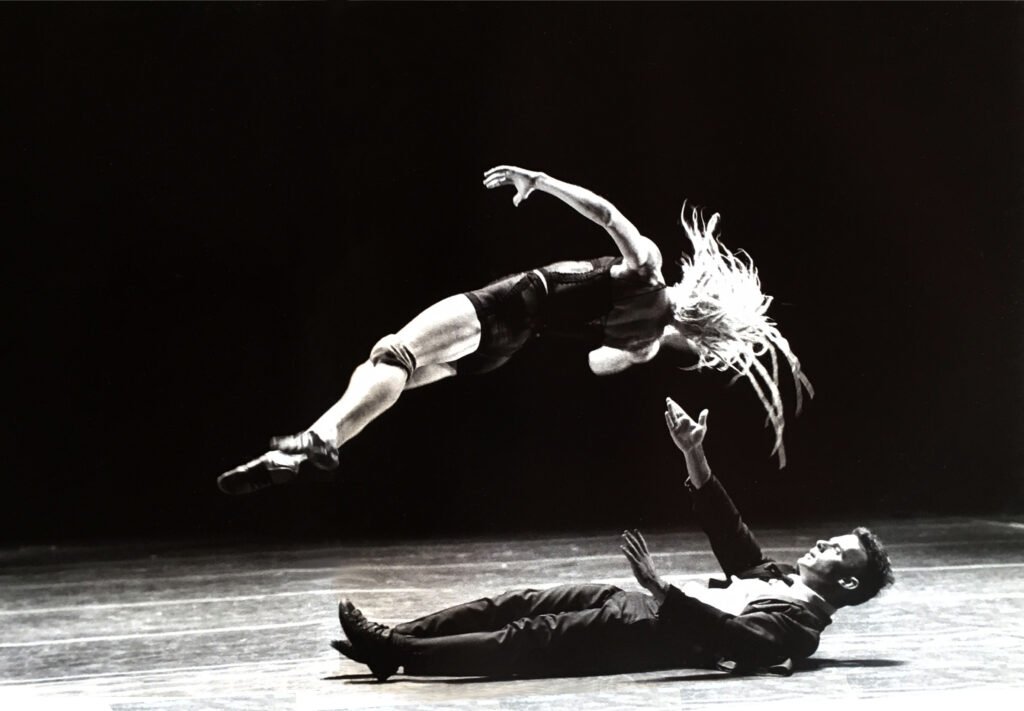
In his introduction to this collection of photographs Barabanov, after stating that dance must be one of the earliest forms of creative human expression, makes a strong case for the importance of dance photography.
Dance photography provides a further level of art, which is perfectly attached to the original creation, yet exists independently within its own medium. As it guides the eye, the photography focuses the viewer’s attention on particular concepts. Photographs reveal those powerful moments, which remain fixed like passages of prose or of music, that can be recalled long after the novel is closed or a symphony completed.
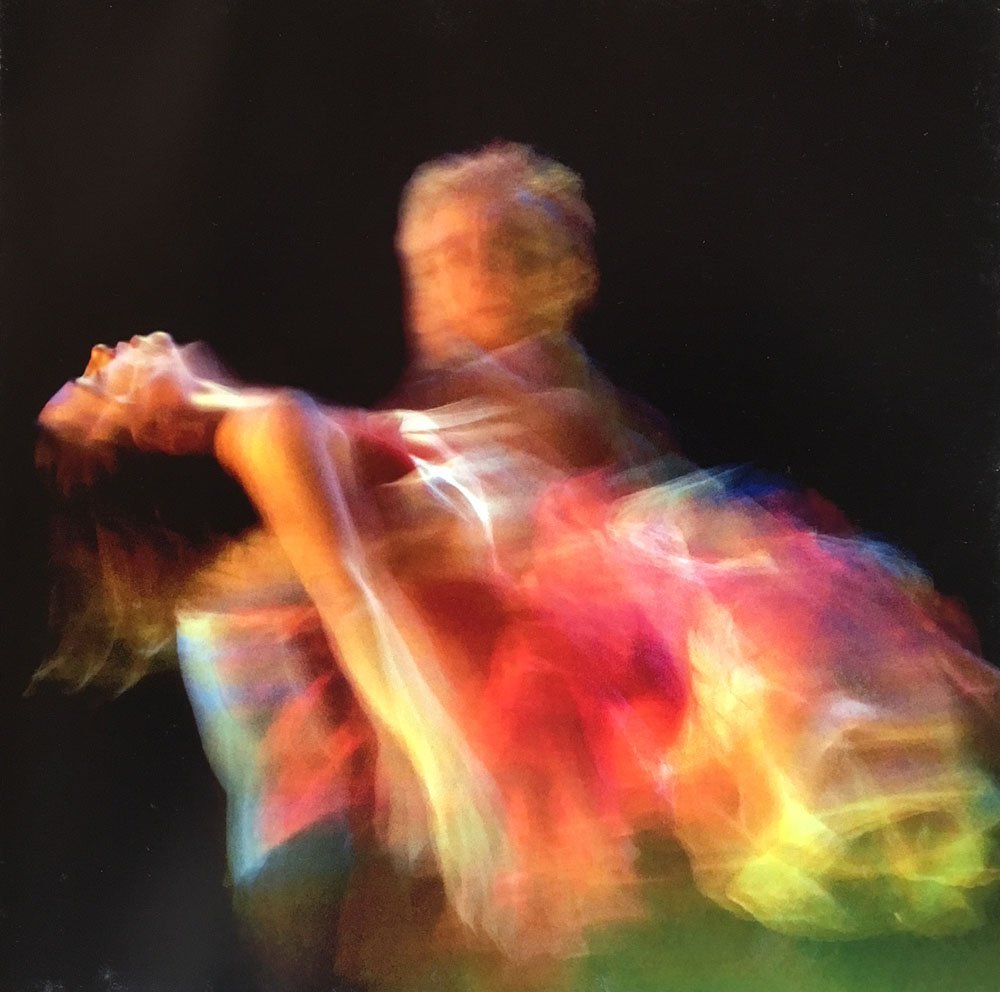
That prose may not have the same kind of flow as the movement it alludes to, I’m guessing that it loses some fluency in translation, but it does point out that photography really does seem to be the best medium through which to capture the essence of dance. Photography has always been about using light to capture a moment, and whilst in its earliest forms the technology demanded that the subject remain as still as possible for a lengthy period, the changes in technology have allowed photographers to capture ever-decreasing fractions of a second in which we might hope to view the impossible. Barabanov is insistent though that ‘The eye of the artist, not the technology, makes the picture’ and indeed some of the most recent photographs on display in this book are static tableaux that exploit the technology to provide detail and texture rather than the ability to freeze the moment itself.
At its best, dance photography enables us to hold on to the emotion and preserve a sense of the energy of the performance. A transmutation of reality can occur.
In just a short introduction Barabanov is able to give a potted history of dance photography from the smallcarte-de-visite of the first ballet stars like Nijinsky above, onto the more lavish studio photographs produced in France, Russia, Italy and Japan as the bigger names in the dance world were able to achieve the kind of fame usually reserved for actors or singers. Barabanov has rifled through the stacks of glass-plate negatives in theatrical archives to unearth some gems from the end of the nineteenth century onwards and these can be as fascinating as the pictures of more recent success.
What sets this book apart is the attempt to create something which isn’t just another anthology of dance imagery but a cohesive work were the images have been ‘choreographed’ in order to express something about the very capture of movement. There are ten sections in total and we begin by meeting the men. From the amazing versatility of Baryshnikov (who features in two pictures from the same ballet – The Creation of the World – one which shows his impish acting ability, the other an extraordinary leap that no dancer in the same role was ever able to repeat) and the raw power of Nijinsky, there are also images from the Breakin’ Convention just a few years ago at Sadlers Wells. The variety continues to dazzle in the next section focusing on women, from the exotic studio print of Mata Hari to the erotic derriere captured by Phile Deprez.
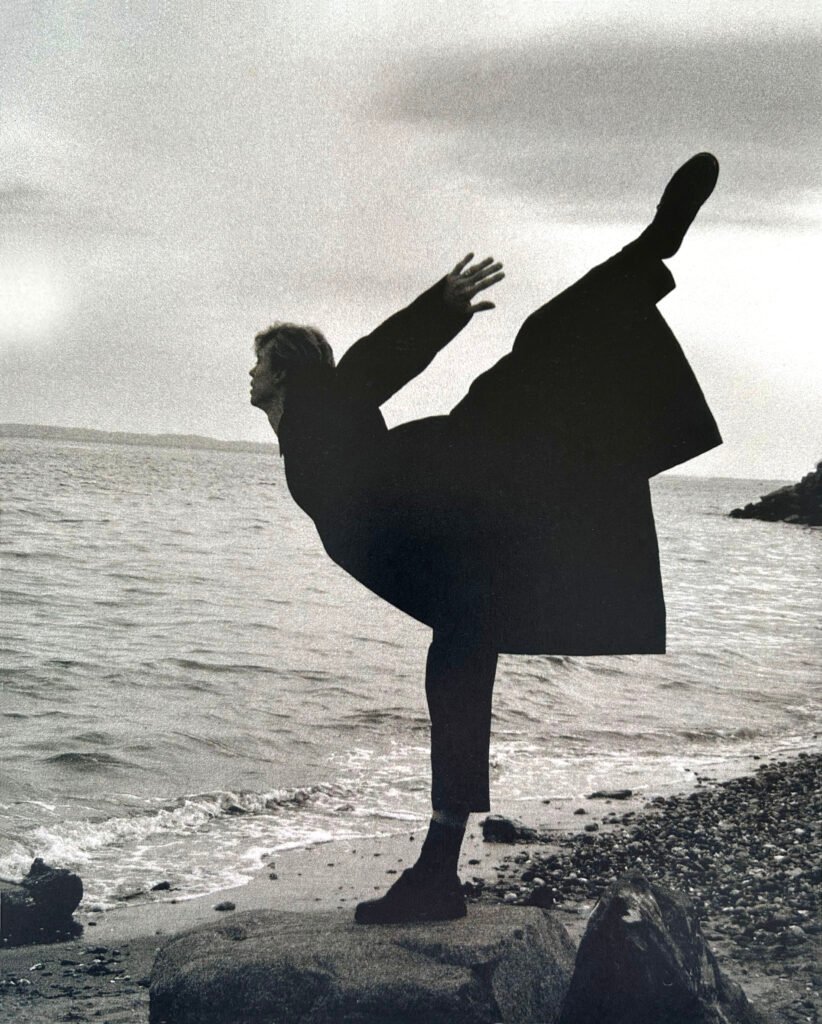
Fast speed films and ever-shorter shutter speeds may be one development but the photographing of tableaux has been another innovation. Several images show dance that is static so that the camera hasn’t captured movement so much as the choreographer’s vision. Pictures by Clinton Fein for example are inspired by Abu Ghraib (you can compare his image below with the original, below that), pictures inspiring pictures, and add an injection of contemporary relevance and danger that might be missing from the archived images of old (that once caused sensations of their own of course)