BOOK “A DANCE”

BOOK “A DANCE” by Alexander Barabanov

REVIEW by James Brewer

The acclaimed photo expert, Mark Holborn, who edits A Dance, sees the book as following in the footsteps of Alexey Brodovitch’s Ballet, one of the three defining photographic books of the mid-20th century together with Henri Cartier-Bresson’s The Decisive Moment and Robert Frank’s The Americans.
Info GlobalNewsBox
http://globalnewsbox.com 


Book Review:
A Dance, by Alexander Barabanov

James Brewer reviews a compendium of all-time
great dance photography
3rd March 2011
 
Outwardly a declamation of desire, the art form of ballet and the whole whirl of dance have always been a platform for something much deeper. From the very beginning, amid its beauty and elegance, dance performance has been a cradle for outrageous experimentation, an evergreen vehicle for bodily bravura and daring physical and mental expression. Readers bold enough to want to leap beyond matinée conceptions of dance, should take hold of a handsome new volume, A Dance in Ten Movements

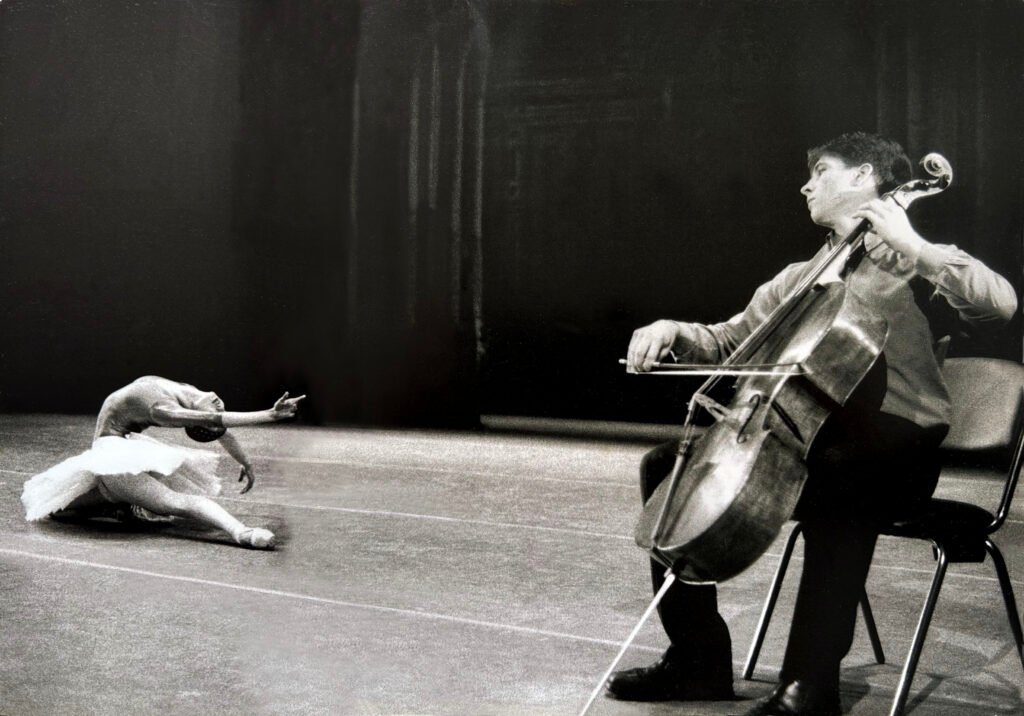
Angela Taylor : Julia Machalina Dying Swan with MW cello. Royal Opera House Covent Garden. Charity Gala. London 2001.

Jean-Clode Gallota : Non Dance

The film treats the emotional rawness of the work of Pina Bausch, who died in 2009 after an enormously influential career drawing on the expressionist dance history of Germany.  In an apt restatement of the dynamic between performance and imagery, Pina’s favourite photographer, the Belgian, Maarten van den Abeele, is represented with three memorable images of her works, from a rather unusual viewpoint: the ceiling of the theatre.  

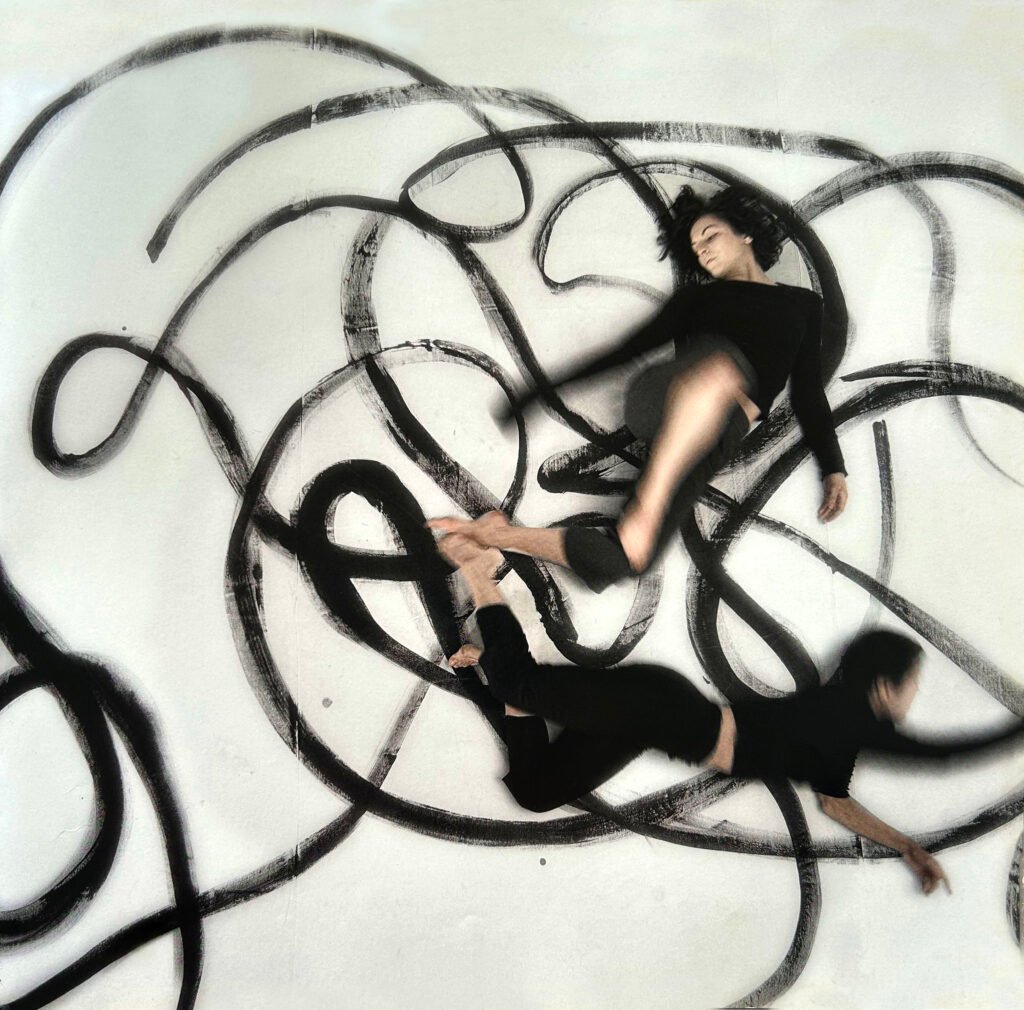
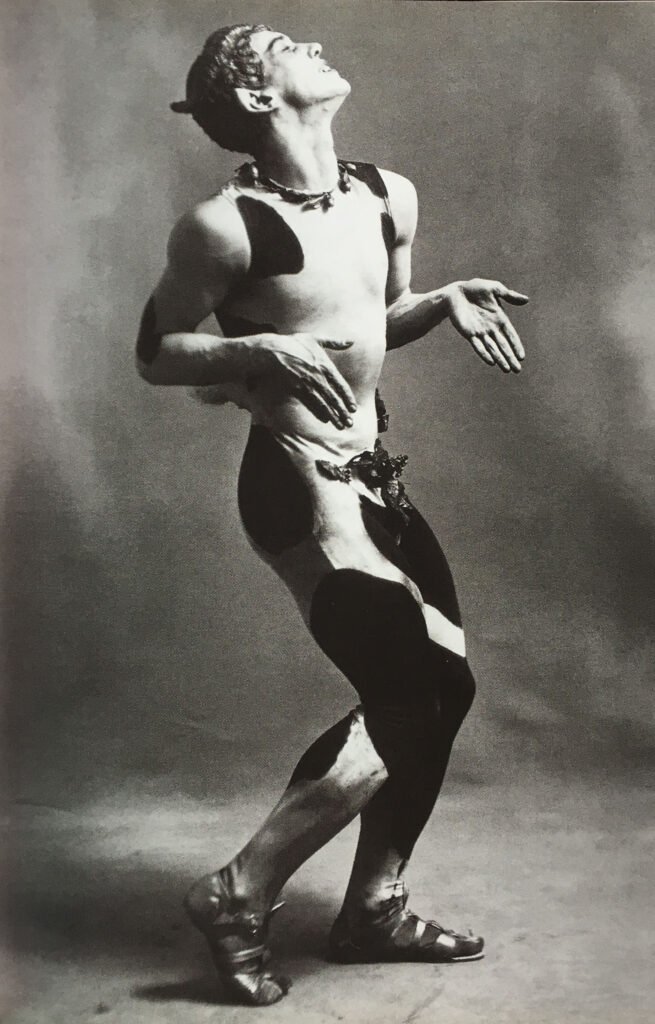
Dance photography is an art in itself, derived from the original creation, to flourish independently.  This was the reasoning behind the inclusion here of a young Vaslav Nijinsky by French photographer August Bert (1911); Mata Hari by Parisian Studio ISP; Rudolf Nureyev’s foot by American photographer Richard Avedon; Cyberchrist by Luis Alvarez (1995); Infante, c’est destroy by French Laurent Philippe (1993); the performance Moment of Decision/Indecision where the artist Stuart Brisley uses his body to paint a wall, by photographer Leslie Haslam (1974); and Abu Ghraib, from a 2007 series by California’s Clinton Fein, who has choreographed torture scenes from the Iraq prison as a protest against the abuse of human rights in the modern ‘transparent’ world.  This last series is valued by some critics as the equal of the Horrors of War by Francisco Goya and Guernica by Pablo Picasso.

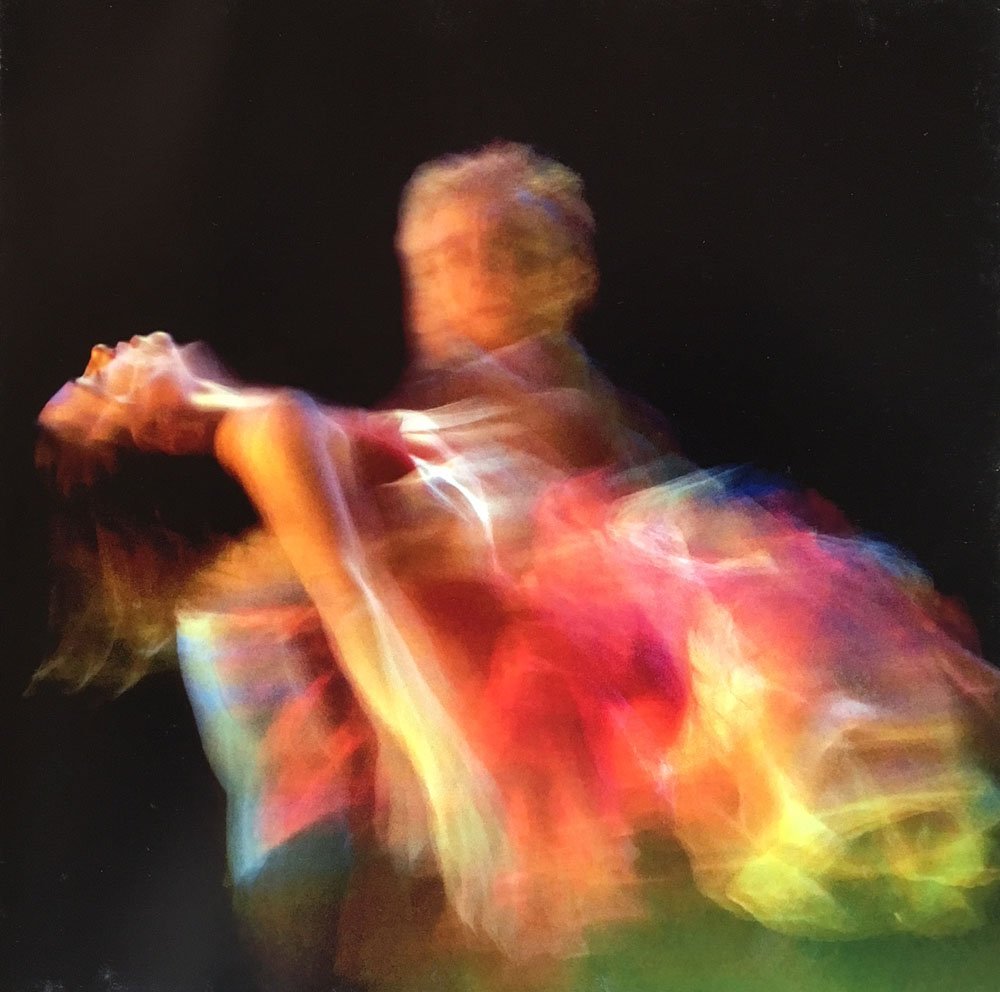
The selections, some blown up from tiny prints in brittle contact sheets, are overwhelmingly in monochrome, and this works just right. Transposed to borderless full pages, they are lent further impact by the splashes of colour which intersperse them.  Millions of images were trawled through to produce this outcome.

Throughout this 304 page work, subject and essence dominate the structure, eschewing the banality of chronology. Some of the top dance photographers of the world are here. On the jacket of this titan book, Mikhail Baryshnikov soars in birdlike flight, “hangs in the air,” as the male lead in Dafnis and Chloe, as though posing expressly for the photographer Nina Alovert.  Such capture of movement is what all dance photographers strive for, immortalising the energy of a moment.  The majority of the images are of live performance, revealing

If photography had been valued at the beginning of the 20th century as it now, the first nude body installation in a private gallery in St Petersburg in 1909 would have been loudly proclaimed, and we would be less ready to describe recent concepts of body installations as shocking. 

Although balletomania never fades, this is an opportune time to be talking about (and looking at) dance, with the film Black Swan about to yield prominence to Pina, the story of avant-garde choreographer Pina Bausch, courtesy of German film maker Wim Wenders.

The theme of expression through the human body extends to ever more startling images, often Daliesque, and to the grotesque.  We see just how thin the boundary between artistic disciplines has become.  The acclaimed photo expert, Mark Holborn, who edits A Dance, sees the book as following in the footsteps of Alexey Brodovitch’s Ballet, one of the three defining photographic books of the mid-20th century together with Henri Cartier-Bresson’s The Decisive Moment and Robert Frank’s The Americans.
A Dance, by Alexander Barabanov. Price £40. Published by Jonathan Cape, Available from March 17, 2011.
 
Images used:
Dancer Bianca Li in Alarme. 
Photo by Didier Pailages
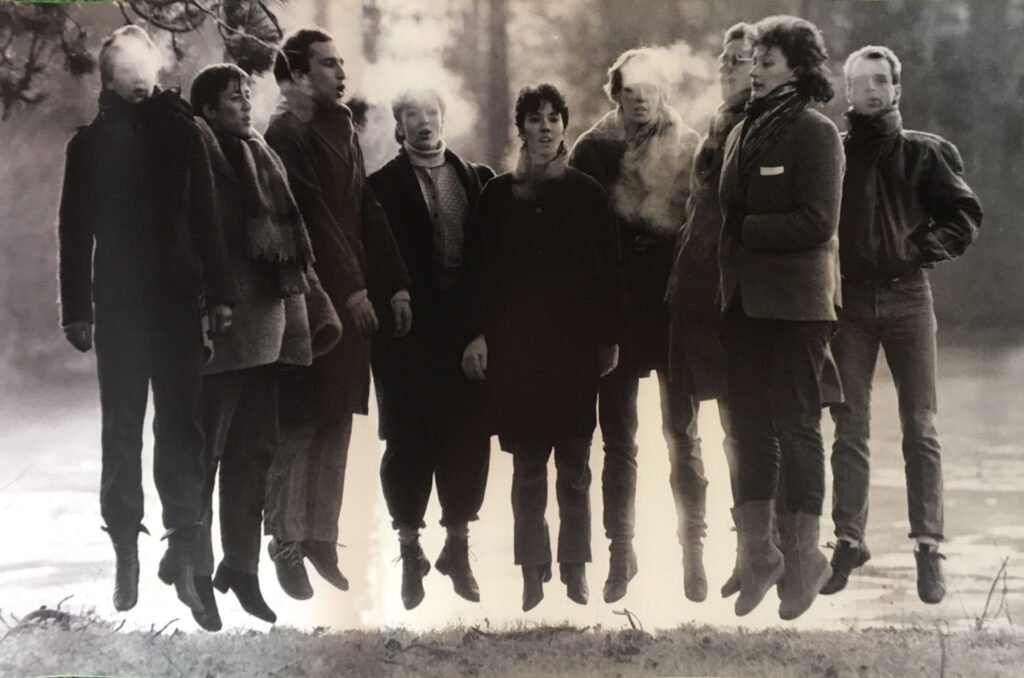
Bolshoi. Taken on the roof of the theatre before its reconstruction. 
Photo by Moscow-based Evfrosina.
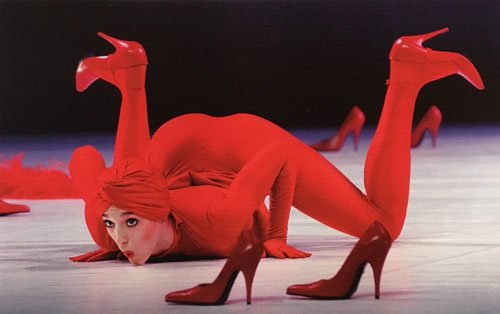
Louise Lecavalier in Infante, c’est destroy 
Photo by Laurent Philippe
Dancers in Op. 
Photo by Lyle Wessale.
Swan Lake choreographed by Matthew Bourne 
Photo by Bill Cooper 


GlobalNewsBox

SHan Wei New Yor Shan Wei

Book Details

ISBN-13:9780224085113
ISBN-10:0224085115
Author:Alexander Barabanov
Imprint:Jonathan Cape Ltd
Format:Hardcover
Number of Pages:304
Release Date:17 March 2011
Weight:2.34kg
Dimensions:301mm x 295mm x 54mm
Series:Jonathan Cape / Penguin Random / London

Sent from my iPhone

Capturing motion and energy, ideals and art forms, this book is a showpiece of moments in dance, embodied here at the highest level by the art of photography.

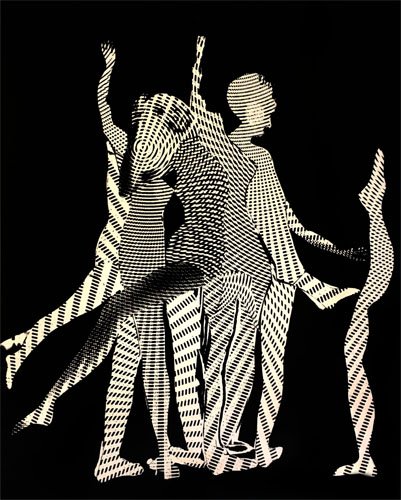
A Dance presents the evolution of dance and photography in the last 150 years, in a sequence of what it calls 10 movements.  The earliest image, dated 1860, of a French dancer with tarot cards, sets the timeless tone in seeming to be an echo of contemporary dance installations, while the most recent, of Luc Petton dancing with birds in La confidence des oiseaux (2008), could have been captured at any moment in the last few decades.  Conscious that dance in its classical embodiment and contemporary creations have long co-existed, the author and photography collector,  Alexander Barabanov, has constructed a montage of arresting performance stills and symbols of powerful, historic, contemporary, beautiful, erotic and exotic passages in dance.

The selections, some blown up from tiny prints in brittle contact sheets, are overwhelmingly in monochrome, and this works just right. Transposed to borderless full pages, they are lent further impact by the splashes of colour which intersperse them.  Millions of images were trawled through to produce this outcome.

Throughout this 304 page work, subject and essence dominate the structure, eschewing the banality of chronology. Some of the top dance photographers of the world are here. On the jacket of this titan book, Mikhail Baryshnikov soars in birdlike flight, “hangs in the air,” as the male lead in Dafnis and Chloe, as though posing expressly for the photographer Nina Alovert.  Such capture of movement is what all dance photographers strive for, immortalising the energy of a moment.  The majority of the images are of live performance, revealing not only the talent of the photographer but also the marvellous skills of the dancers.  Swans and tutus are given their due, but classical ballet’s broader canvas lures much of the stunningcamerawork.
 

In our view, the disarming keynote for the book is a photo of the legendary ballerina Anna Pavlova, in the St Petersburg studio of sculptor Boris Frodman-Cluzel. This print, made a century ago, is published for the first time.  The dancer poses abstractedly, at her side a basket of lilies of the valley perfuming the room.  As with many other images here, this belongs to a private collection.

From an unknown photographer of a later era, we see the Ballets Russes de Monte Carlo, in rehearsal class on the deck of a ship bound for New York in 1936. Man Ray, whose wife Juliet Browne was a professional dancer, followed the Ballets Russes enthusiastically, and in Paris in 1925 he immortalises a scene from Jack in the Box, a ballet based on libretto by Jean Cocteau.

There is an emotional and mesmerising picture of Mary Wigman’s Schatten (The Shadows) dated 1932 and a series of beautiful, natural images of the avant-garde Laban dance movement from the 1920s.


A DANCE
by Alexander Barabanov